Tharu Heritage: A Journey through Culture, Nature, and Conservation - Madhuban Tigerscape
Package working flow
The Tarai region of Nepal, once covered in dense forests, was historically plagued by endemic malaria, making large-scale cultivation nearly impossible. This environment, however, became home to the Tharu people, believed to have a natural resistance to malaria. Living closely with the land, the Tharu have sustained unique agricultural practices and cultural traditions that reflect their intimate relationship with the forested landscapes and rivers of the Tarai. The success of a malaria eradication program in the 1950s opened the region to more settlers, catalyzing a wave of demographic shifts, socio-economic changes, and growing challenges over land rights. Today, these transitions continue to impact the Tharu communities, who remain the largest ethnic group in the Tarai and are thought to be its original inhabitants.

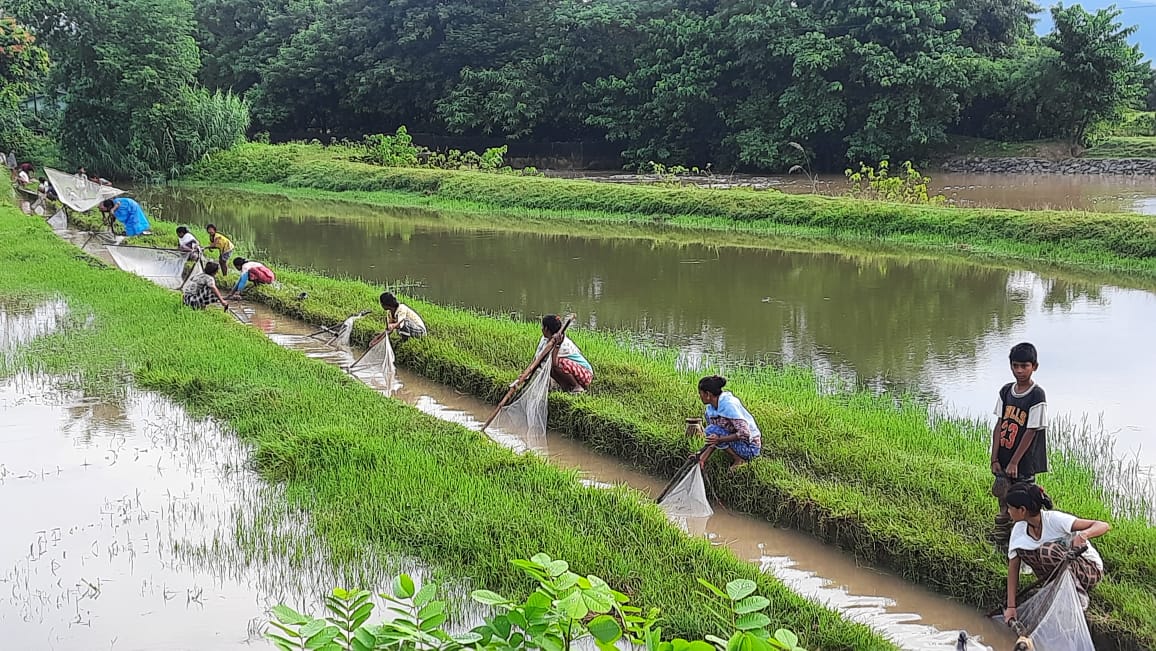
Photo: Women going for fishing after heavy rain
The Tharu culture is rich and vibrant, embodying a distinct language influenced by Indo-Aryan dialects, patrilocal marriages, and a deep spiritual connection to the forest and ancestral spirits. Villages feature traditional huts with wattle walls and thatched roofs, often adorned with gourd creepers. Their homes are kept pristine, decorated with beautiful floral and animal motifs. Community shrines, or bhuinhars, where the Guruwa (tribal priest) leads ceremonies, are a focal point for rituals that include animal sacrifices, reflecting a longstanding reverence for forest spirits and the environment.

Traditional item made from Eulaliopsis binat
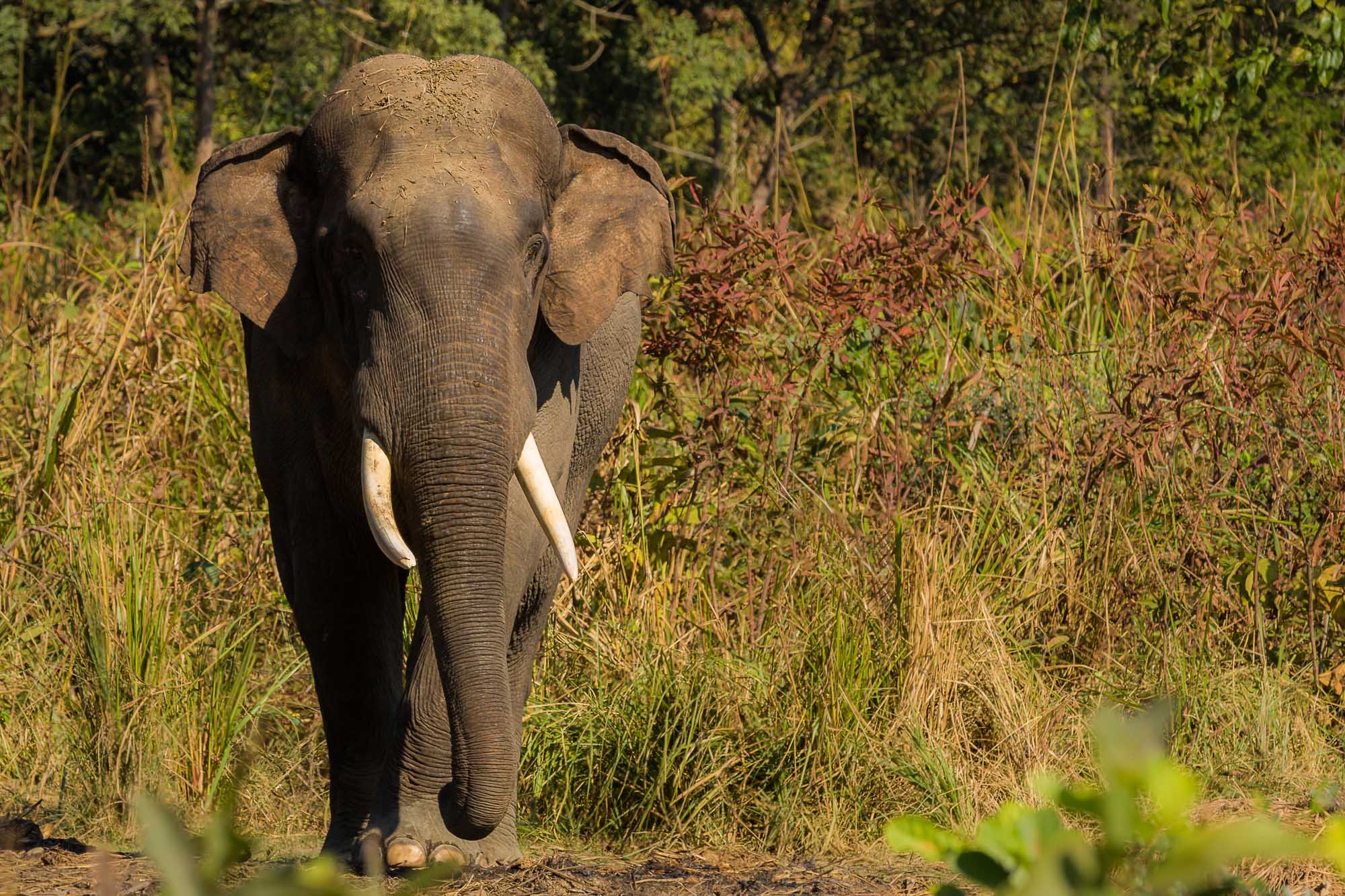
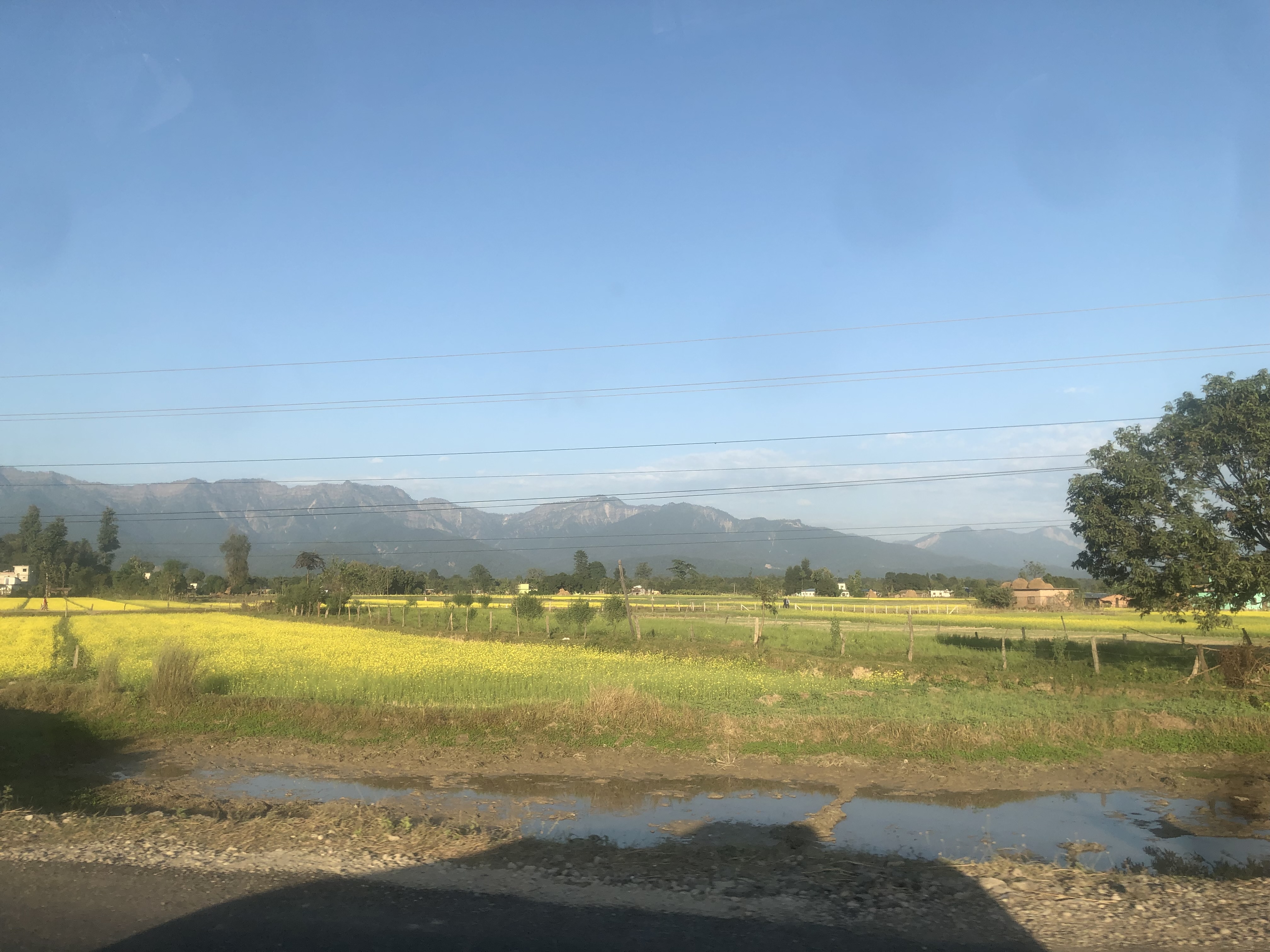
Madhuban Tigerscape, set against the picturesque Karnali River, offers a unique opportunity to witness the Sonaha and Tharu communities in their natural habitat. Here, visitors can explore the interwoven lives of people and wildlife, learning how cultural practices and environmental knowledge allow communities to thrive in challenging floodplain environments. This experience opens doors to understanding the intricate balance between cultural heritage and conservation, deepening appreciation for the resilience and wisdom of these ancient communities.
If you’re ready to explore any aspect, please contact us at +9779767483498 (WhatsApp) or email us at contact@himavatinstitute.com.np. We can also offer similar packages in any part of Nepal, depending on your needs and requirements.
Depending on your arrival time and schedule, we recommend spending the first two days getting acquainted with the local environment and taking a short tour of Kathmandu's UNESCO World Heritage sites.
Accomodation: Madhuban
We recommend a technical meeting with our experts, who have extensive research experience in your area of interest. This will provide an opportunity to understand the issues from both an experienced and local perspective.
The fourth day will be dedicated to travel. The area can be reached by air (Kathmandu to Nepaljung) followed by a 3-hour car ride to the location. Alternatively, a local bus is available for direct travel from Kathmandu to the area.
We recommend at least a one-week stay to gain deeper insights into the issues you wish to explore. If needed (for example, for an ethnographic survey), a longer stay can be arranged, and a local guide will provide all the necessary support.
Back to Kathmandu

Madhuban
Unique tradition house with basic amenities such as electricity, internet and drinking water supply. It has access to blacktop road.