Adventure with wildlife: Explore globally endangered species in their prime habitat - Kuse Cloud Forest
Package working flow
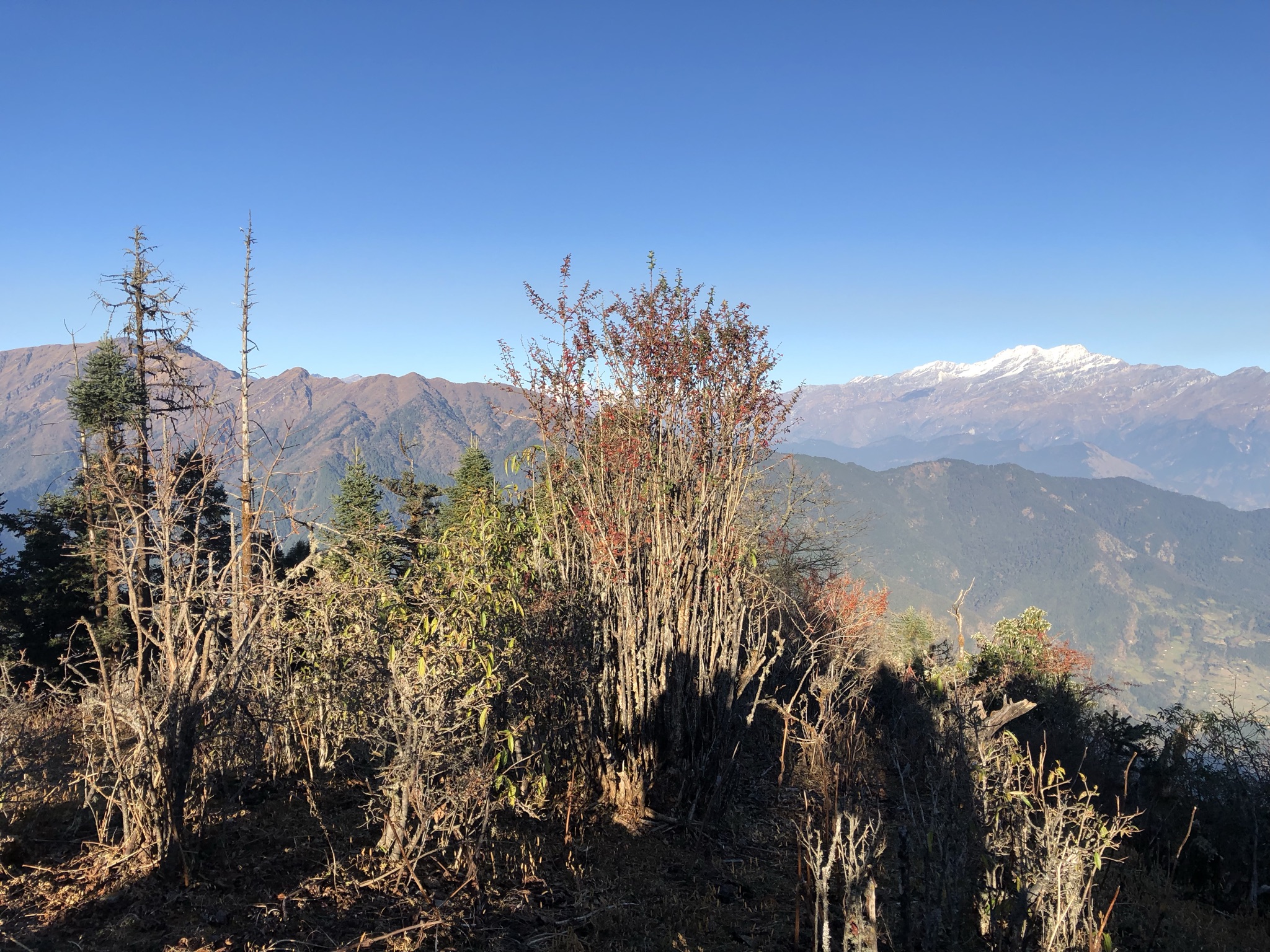
The Kuse Cloud Forest is a dense forest along mountain slope in western Nepal. It is one of the last remaining natural forest landscape that under high human threat. The area is unique to observe and explore hundreds of birds and more than dozon of mammals. The area, although lies in the mid-hills, has a typical mountain gradient from the subtropical region to the alpine region.
The area is known for three flagship species:
Red panda
The red panda is an endangered species listed on the IUCN Red List and included in Appendix I of CITES. It inhabits a narrow range within South Asia, extending from Nepal to Myanmar across the higher Himalayan regions, typically at altitudes between 1,500 and 4,800 meters. In Nepal, red pandas thrive in bamboo-rich, montane broadleaf forests. Notably, much of their habitat falls outside protected areas.

Kuse Cloud Forest is among the remaining habitats for red pandas, where they can still be observed.
Himalayan Tahr
The Himalayan tahr (Hemitragus jemlahicus) is a robust, sure-footed herbivore native to the rugged slopes of the Himalayas, found across Nepal, northern India, Bhutan, and Tibet. This unique mountain ungulate is known for its thick, reddish-brown coat and curved horns, features that aid its survival in the harsh alpine environment. Himalayan tahrs are highly adapted to navigate steep, rocky terrains, thanks to their specialized hooves with a gripping rubber-like core. Living at altitudes from 2,500 to 5,000 meters, they primarily graze on grasses and browse leaves, with diets adapting seasonally. Although listed as Near Threatened due to habitat loss and hunting, Himalayan tahrs remain a captivating sight in high-altitude treks, representing the region’s rich biodiversity.

Photo: Ankit Singh Bisen
What is unique in the Kuse Landscape is sighting of tahr in middilbe mountain resembles species presence in mountain islands, although they were reported much of middle mountains, where they went extinct.
Cheer Pheasant (Catreus wallichii)
The cheer pheasant (Catreus wallichii), also known as Wallich's pheasant, is a rare and vulnerable bird endemic to the high-altitude scrublands of the Himalayas, particularly in Nepal, India, and Pakistan. Unlike other brightly colored pheasants, the cheer has muted buff-gray plumage with long gray crests and an elongated, barred tail, allowing it to blend into its rocky surroundings. Cheer pheasants are typically monogamous, breeding on steep cliffs in summer with clutches of 10 to 11 eggs. These elusive birds are sensitive to human activity and face threats from habitat loss and hunting, with limited populations remaining in protected regions and areas surrounding Kuse landscape.

We can’t wait to share this incredible journey of research and adventure with you! If you’re ready to explore, connect, and make a difference, book your spot today. For more information or to reserve your package, call us at +9779767483498 (WhatsApp) or email us at contact@himavatinstitute.com.np.
Depending on your arrival time and schedule, we recommend spending the first two days getting acquainted with the local environment and taking a short tour of Kathmandu's UNESCO World Heritage sites.
Accomodation: Kuse Research Station
We recommend a technical meeting with our experts, who have extensive research experience in your area of interest. This will provide an opportunity to understand the issues from both an experienced and local perspective.
The fourth day will be dedicated to travel. The area can be reached by air (Kathmandu to Nepaljung) followed by a 7-hour car ride to the location. Alternatively, a local bus is available for direct travel from Kathmandu to the area.
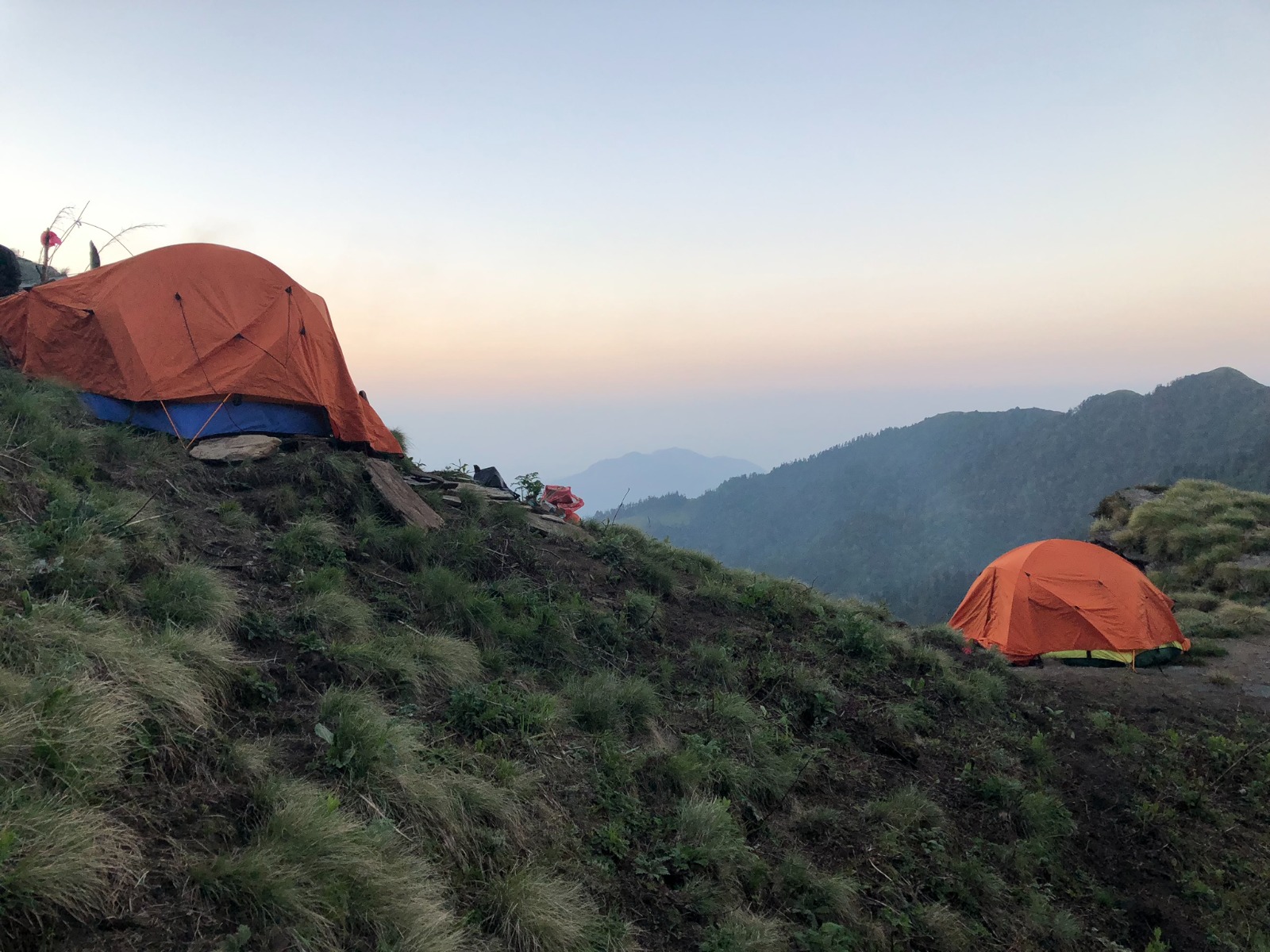
We recommend at least a three days travel along mountain slopes. There will be porters and guides and one or two days stay will be forest in tent. This will be exciting experience to watch species of your choice. If needed, a longer stay can be arranged, and a local guide will provide all the necessary support.
Trek further into the alpine zones, where the landscape becomes more rugged and open. You may encounter Himalayan musk deer and serows, along with expansive views of the mountains and valleys below. These days offer stunning scenery and a chance to experience the raw beauty of the alpine region. Camp in the alpine zone. You will be reach Jumla
Back to Kathmandu via Nepalgunj through the air route (Jumla to Nepalgunj and then to Kathmandu).
Back to Kathmandu
Kuse Cloud Forest is located, situated in the Jajarkot District of mid-hills of western Nepal. It features a unique blend of topographical and ecological diversity that underpins both its socioeconomic and environmental profiles. The area spans a largely forested landscape, although the forests in the lower-lying areas are heavily disturbed due to human activities. Central and northern parts, at altitudes exceeding 1,800 meters, contain extensive forests that provide critical habitats for rare and endangered species such as the red panda, Himalayan serow, clouded leopard, common leopard, musk deer, Himalayan tahr, and four threatened vulture species. Despite this rich biodiversity, this area falls outside of Nepal's protected area network, with conservation primarily supported by the region's remoteness, low human population density, and some degree of community forestry management.
Socioeconomic Profile:
The area has a predominantly rural population engaged in subsistence agriculture and animal husbandry, and low income levels. Many residents rely on forest resources for fuelwood, fodder, and building materials, creating a dependency that poses challenges to forest conservation efforts. Economic opportunities in the district are restricted, leading to significant outmigration for labor, mainly in India for seasonal jobs. Literacy rates and access to health services are limited, and infrastructure development remains low, impacting overall living standards.
Climate and Rainfall:
The area experiences a subtropical to temperate climate, with variations across altitudes. Summers are generally warm and monsoon-dominated, bringing the majority of the annual rainfall, which typically ranges between 1,200 to 1,800 mm, mainly from June to September. Winters are dry and cooler, especially in higher altitudes. There is frequent snowfall during winter season.
Conservation Need:
Given the ecological significance and the presence of vulnerable wildlife populations, developing a conservation model that aligns with Jajarkot's socioeconomic context is essential. Initiatives could focus on integrating local communities, enhancing community forestry practices, and introducing conservation incentives to ensure the long-term preservation of the district's unique biodiversity.
Research station
The research station is equipped with essential facilities designed to support fieldwork and study in Jajarkot’s unique ecological landscape. Basic amenities include a secure shelter and a dedicated study room for researchers. Field gear is provided, and locally sourced foods and snacks are available, giving visitors an authentic experience. Trained field guides are on hand to assist with wildlife tours and ecological data collection, ensuring both safety and quality of research.
Though there is no regular electricity, a reliable solar-powered system provides essential power, enabling extended work and study hours. Given Jajarkot’s ecological significance and the presence of vulnerable wildlife, the research station also prioritizes conservation efforts aligned with the local socioeconomic context.
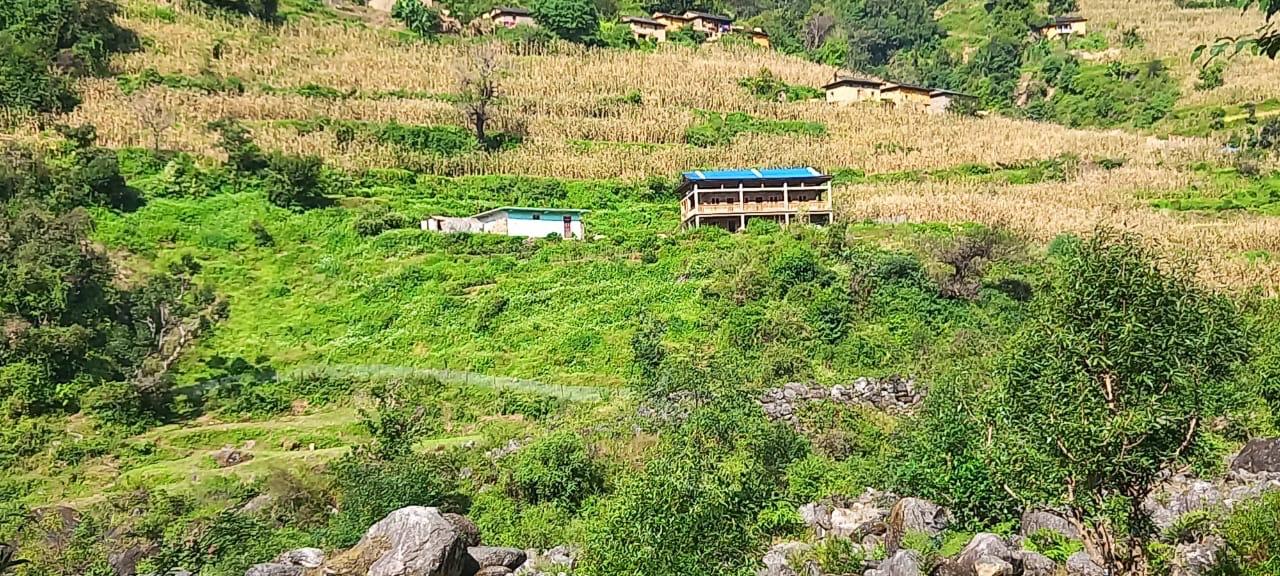
Kuse Research Station
This is a semi-traditional house located just beneath the mountain.